

Where Science Meets Art: Graeme Armstrong's Photographic Experiments
Broken Hill photographer and biologist Graeme Armstrong brings science, patience and a little bit of magic together in his photographic practice. This October, his work is featured in the West Darling Arts Exhibition Window, offering a glimpse into the fascinating world of historic photographic processes.
In an era when we can take hundreds of photographs on our phones in minutes, Graeme Armstrong has chosen a slower practice.
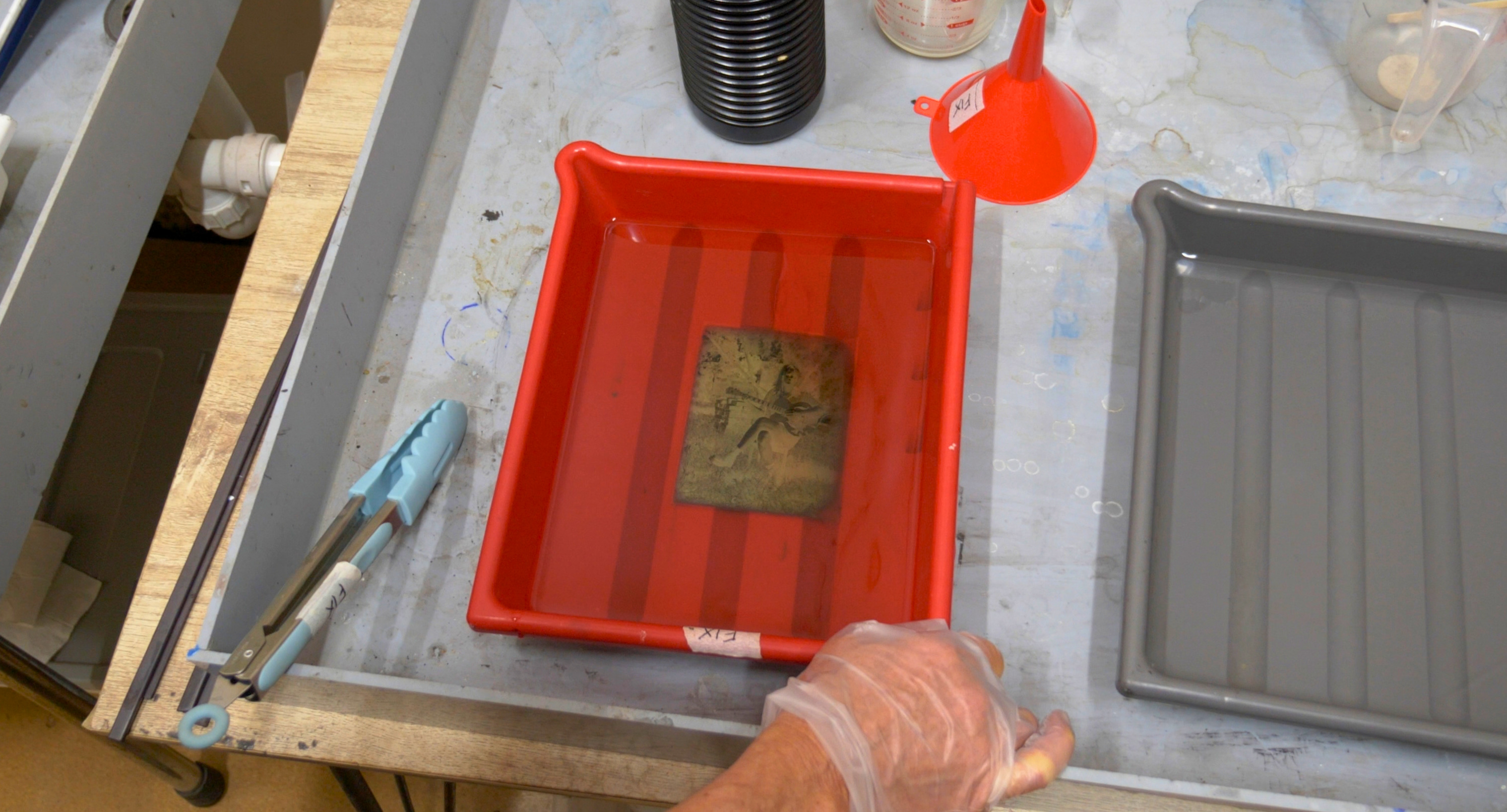
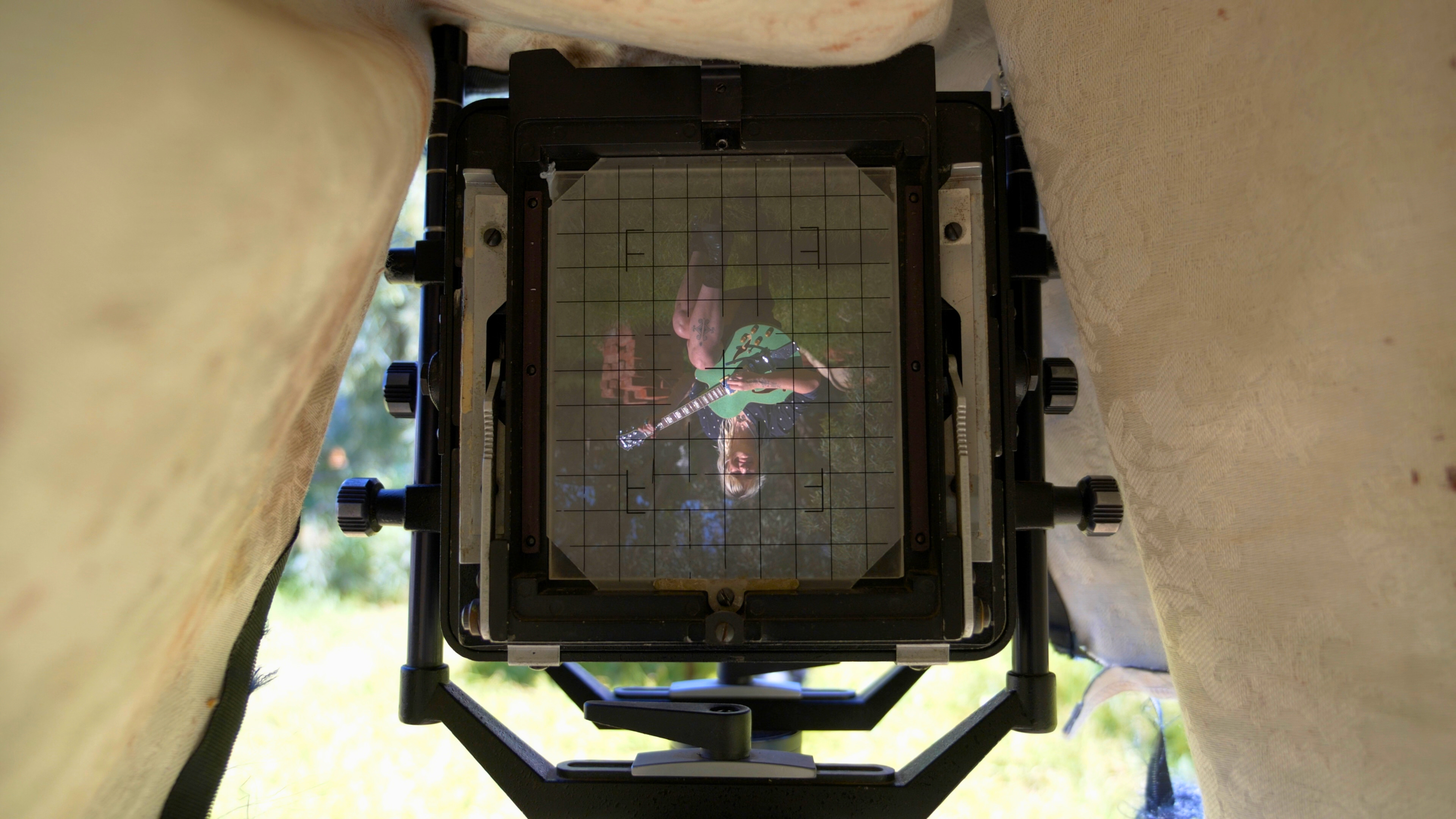
Working with photographic techniques dating back to the 19th century, Graeme makes his own light-sensitive photographic plates by hand, before venturing out into the landscapes of Far West NSW to capture his images.
It's a painstaking process involving chemistry, physics, experimentation and plenty of opportunities for things to go wrong. But for Graeme, that's all part of the appeal.
A scientist behind the camera
Graeme is not only a photographer, but also a biologist who works with National Parks on important conservation projects across the region.
He studied photography at RMIT as a young man, before pursuing a career in biology. Since moving to Broken Hill ten years ago, he's returned to photography, developing a particular fascination with the science and artistry of early photographic techniques.
"I would say being a scientist and a photographer is what led me into making wet plates first and then dry plates," Graeme explains.
"It's a very scientific process at every step. It's a lot of chemistry and physics. And on top of that, then you can put your artistic endeavours to see if you can make a photograph or not."
Unlike modern photography, where commercially manufactured film and digital sensors do much of the technical work, Graeme's process begins long before he points a camera at his subject.
To make a dry plate photograph, he must first create a light-sensitive emulsion using silver halides, coat glass plates with it and allow them to dry, a process that can take more than a day.
Every stage presents its own challenges, and success is far from guaranteed.
"When it works, it's very, very pleasing, because it's long-winded and so many things can go wrong," he says.
The Magic of the darkroom
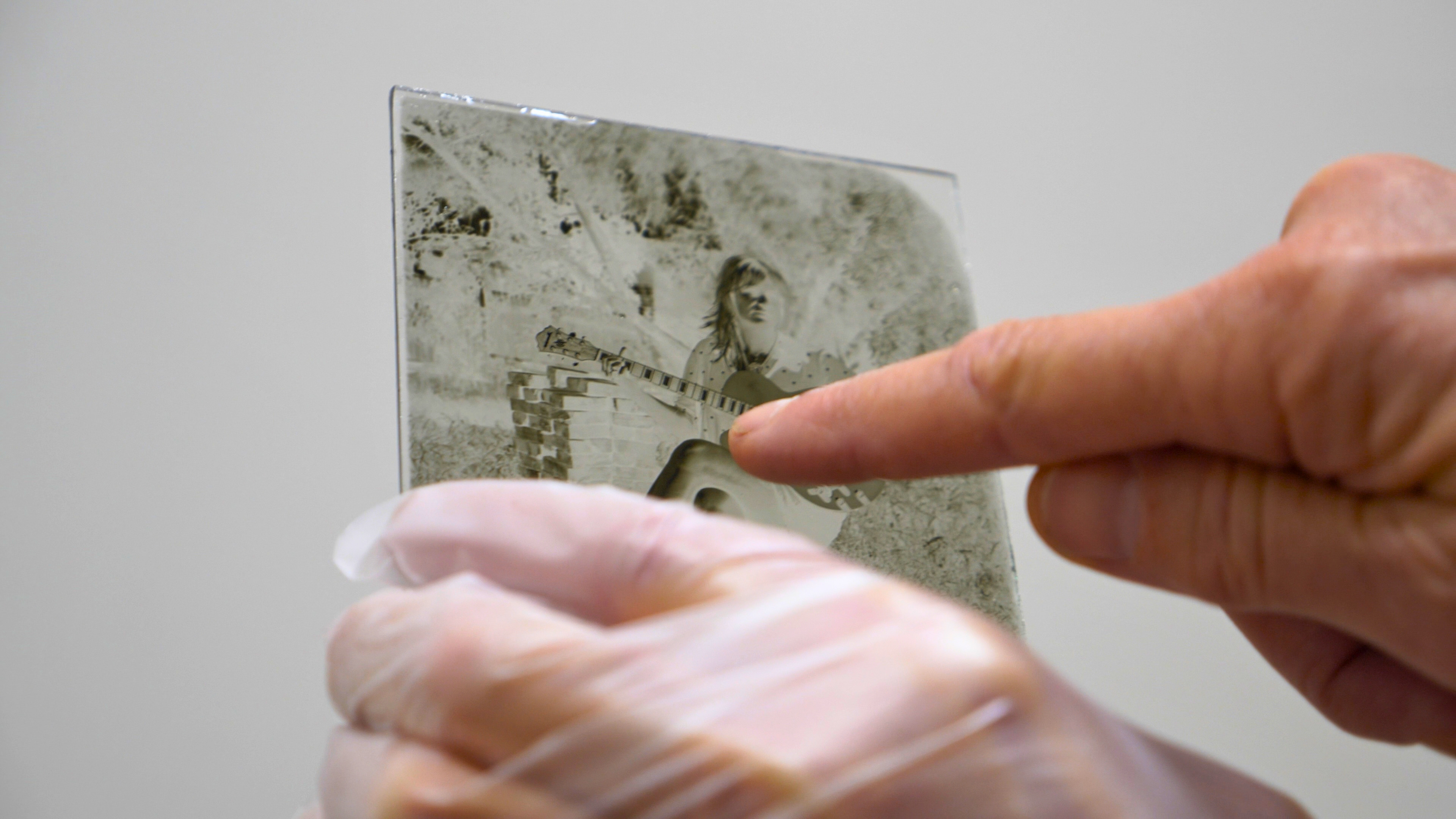
For Graeme, one of the greatest rewards comes in the darkroom, watching an image slowly emerge in the developing solution.
"How many times can you enjoy watching a photograph appear in the developer? It would appear it's an infinite amount of times. You just never get sick of it."
The uncertainty of the process makes the successful images all the more satisfying.
Graeme says the payoff is far greater than developing a commercially manufactured roll of film, because he's been involved in creating the photographic material itself.
"So it's ridiculous to say it's magical, but that's how it feels."
Sharing the Process
Graeme also enjoys introducing others to these historic photographic techniques through teaching and workshops.
He says that moment when an image first appears in the developer is just as rewarding to witness in someone else's experience.
"For those people it's often the first time, so it is magical for them. But as I say, it doesn't matter how many times you do it, it's still good."
Throughout October, a selection of Graeme Armstrong's photographic work is on display in the West Darling Arts Exhibition Window on Argent Street, Broken Hill.
About the Exhibition Window
The West Darling Arts Exhibition Window is a free exhibition opportunity supporting emerging and established artists from the Far West region and beyond, providing a public platform for artists to showcase their work, increase visibility and connect with new audiences.
Keep Up To Date
Get the latest West Darling Arts news delivered directly to your inbox!